


Motivating children to study is not as difficult as some think; it is an art based on understanding, support, and smart encouragement. When a child feels that learning is an enjoyable experience rather than a burden, homework transforms from a heavy task into an opportunity to discover their abilities and develop skills with confidence and enthusiasm.
True motivation begins by creating a positive environment that respects the child’s feelings, appreciates their effort, and rewards achievements no matter how small. Encouraging words, daily attention, and dedicated study time are all factors that make a big difference in a child’s focus and love for learning.
With interactive educational programs like Genius Online, studying can become a fun and challenging experience through interactive activities, structured learning paths, and modern methods suited to children’s minds in the digital age.
📚 Start today with simple steps and give your child the motivation they need to excel with confidence and happiness.
How to Motivate Children to Study Without Pressure
How to Motivate Children to Study Without Pressure relies on creating a positive environment that makes learning enjoyable rather than a daily burden. When a child feels safe and supported instead of threatened or compared, they naturally engage with studying with love and genuine desire to succeed.
1. Understand Your Child’s Personality First
Every child has a different learning style—some learn by watching, others by doing or listening. Knowing your child’s preferred method helps you motivate them without tension or conflict.
2. Turn Studying into a Fun Activity
Use colors, flashcards, brain games, or interactive apps to make learning easier and closer to the child’s mind.
3. Divide Study Time
Instead of long exhausting sessions, make study periods short and organized (20–30 minutes) with simple breaks to refresh energy.
4. Encourage Instead of Comparing
Avoid comparing your child to others, and focus on their personal progress, no matter how small. A sincere word of encouragement can make a bigger difference than any pressure.
5. Reward Effort, Not Just Results
Show appreciation for your child’s attempts and effort, even if the results are not perfect, as this boosts their confidence and motivates them to continue.
6. Involve Your Child in Planning
Let your child participate in setting study times and methods, giving them a sense of responsibility and reducing resistance.
7. Provide a Quiet and Organized Environment
A comfortable space with good lighting and minimal distractions helps a child focus without pressure or constant scolding.
✨ When learning becomes a positive experience full of support and encouragement, motivation becomes natural… and pressure disappears entirely.
Best Ways to Motivate Children to Study at Home
Best Ways to Motivate Children to Study at Home rely on creating a balance between discipline and fun so that the child feels studying is a natural part of their day rather than a punishment or heavy burden. When studying becomes a positive experience, the child’s focus increases and performance improves noticeably.
1. Establish a Fixed Daily Routine
Setting a fixed study time each day helps the child get used to it, reduces procrastination, and increases commitment.
2. Prepare a Comfortable Study Space
Provide a quiet area with good lighting away from distractions like TV or phones; an organized space enhances focus.
3. Break Tasks into Small Parts
Instead of giving the child a large workload at once, divide lessons into simple tasks that are easy to complete, giving them a sense of quick achievement.
4. Use Fun Teaching Methods
Rely on illustrations, flashcards, stories, or interactive explanations to turn information into engaging and easy-to-understand content.
5. Continuous Encouragement
Praise your child’s efforts, even if small, and focus on their personal progress rather than comparing them to others.
6. Offer Motivational Rewards
Provide small rewards after completing tasks, like extra playtime or a favorite activity, to strengthen internal motivation.
7. Involve Your Child in Planning
Let your child participate in creating a study schedule and choosing the order of subjects, enhancing their sense of responsibility and commitment.
8. Balance Study and Breaks
Include short breaks between study sessions to refresh energy and maintain focus.
Learn more: Free Programming Learning Platforms
📚 With love, support, and smart organization, studying at home can become a positive habit that boosts your child’s confidence and drives them to excel.
How to Motivate Children to Study and Excel Academically

How to Motivate Children to Study and Excel Academically starts with building a positive relationship with learning, based on encouragement and support, not fear or pressure. When a child sees success as an enjoyable goal, they become more willing to put in effort and strive for excellence.
1. Build Intrinsic Motivation
Help your child understand the importance of studying for their future in a simple way, and connect learning to their dreams and ambitions so they feel the effort has real value.
2. Set Clear and Achievable Goals
Divide the school year into small goals (improve a specific subject – raise grades – complete daily homework). Realistic goals give a sense of continuous achievement.
3. Organize Time Wisely
Create a balanced schedule between study, breaks, and recreational activities to help your child maintain energy and focus without feeling exhausted.
4. Provide a Stimulating Study Environment
A quiet place, organized tools, and good lighting are simple factors that greatly improve focus and productivity.
5. Use Interactive Learning Methods
Rely on hands-on explanations, educational games, and instructional videos to make information easier to understand and retain.
6. Boost Self-Confidence
Praise your child’s efforts even before results, and remind them of their strengths. Self-confidence is key to academic excellence.
7. Follow Up Without Pressure
Monitor your child’s performance regularly, but avoid comparisons or constant scolding; focus on solutions instead of criticism.
8. Celebrate Achievements
Celebrate even small improvements, whether through encouraging words, favorite activities, or small rewards that foster a love for achievement.
🌟 With continuous support and smart organization, your child can transform from an ordinary student to a confident high achiever striving for success.
Practical Steps to Motivate a Child to Love Studying
Practical Steps to Motivate a Child to Love Studying begin by changing our perspective on learning from a heavy duty to an enjoyable journey full of discovery. When a child sees studying as a positive experience, love for learning develops naturally without force.
1. Link Study to Your Child’s Interests
If your child likes drawing, use colors in teaching. If they like stories, turn information into engaging tales. Connecting learning to their interests makes it closer to their heart.
2. Make the Start Easy
Start with simple tasks or favorite subjects, allowing a sense of quick achievement, increasing their enthusiasm for completing other tasks.
3. Use Smart Rewards
Provide small rewards after completing tasks, like extra playtime or a favorite activity, to reinforce positive behavior.
4. Allocate Short, Organized Time
Keep study sessions short (20–30 minutes) with breaks to prevent boredom and maintain focus.
5. Involve Your Child in Planning
Let the child choose study times and subject order; participation increases responsibility and commitment.
6. Praise Effort, Not Just Results
Acknowledging attempts and effort boosts confidence and makes learning enjoyable rather than stressful.
7. Be a Positive Role Model
When children see parents reading or learning, they develop intrinsic motivation to emulate them and love knowledge.
8. Avoid Comparisons and Pressure
Do not compare your child to others; focus on personal progress. Calm support is more effective than constant pressure.
Learn also: Children’s Time Management Schedule – Make Your Child’s Day More Productive and Fun
✨ With love, patience, and smart organization, study time can become enjoyable moments that build a bright future for your child.
How to Encourage Children to Study Daily
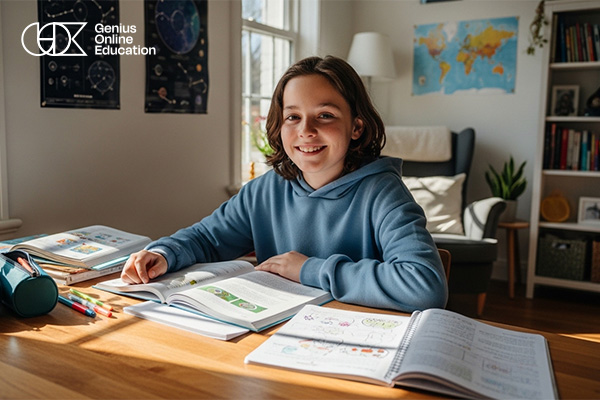
How to Encourage Children to Study Daily depends on turning studying into a positive habit linked to daily routine, rather than a task that appears only during exams. When studying becomes a natural part of the child’s day, resistance decreases and commitment increases.
1. Set a Fixed Daily Routine
Determine a consistent daily study time; continuity builds the habit and makes it easier for the child to accept.
2. Start with Short, Simple Tasks
Begin with a small portion of the lesson or a short homework assignment for quick achievement, then gradually move to the rest of the tasks.
3. Use Positive Encouragement
Praise, a smile, or phrases like “I’m proud of you” can be a strong motivator for daily study.
4. Provide a Comfortable Study Area
A quiet and organized environment reduces distractions and helps the child focus without repeated reminders.
5. Balance Study and Play
Include clear time for recreational activities after studying, so the child feels their effort is rewarded with enjoyable time.
6. Involve the Child in Planning
Let your child choose the order of subjects or study timing, enhancing daily responsibility.
7. Simple Follow-Up Without Pressure
Ask about their study day and discuss what they learned in a friendly manner, without threats or comparisons, making them feel supported.
8. Celebrate Daily Progress
Even small improvements deserve recognition; daily accumulation of achievements is the secret to big success.
📚 When encouragement becomes a daily habit, studying becomes a natural and enjoyable part of your child’s life.
Ways to Motivate Children During Exams
Ways to Motivate Children During Exams focus on reducing stress and increasing confidence, as excessive pressure may negatively affect concentration and performance. When children feel supported and reassured, they can study with focus and achieve better results.
1. Set a Clear Review Plan
Divide subjects into small parts over exam days to avoid overwhelm or fatigue.
2. Focus on Understanding, Not Just Memorization
Encourage your child to understand lessons through discussion and explanation, as understanding boosts confidence and reduces exam anxiety.
3. Short and Organized Study Sessions
Use short study periods (30–40 minutes) with brief breaks to maintain focus and energy.
4. Boost Confidence with Positive Words
Use phrases like “You can do it” or “Your effort will pay off,” as psychological support is crucial during exams.
5. Avoid Comparisons or Threats
Pressure and comparisons increase stress; focus on your child’s personal progress rather than comparing them to peers.
6. Provide a Quiet Environment for Sleep and Rest
Adequate sleep and healthy nutrition improve focus and memory during study and exams.
7. Quick Reviews Before the Exam
Set time to review key points briefly to consolidate information without fatigue.
8. Celebrate Effort After Exams
Reward your child for their effort regardless of results; feeling appreciated enhances motivation for the future.
Learn also: Steps to Establish Reading and Writing for Children
🌟 With calm support and good organization, your child can get through exam periods with confidence and achieve the best results.
How to Motivate a Child with Short Attention Span
How to Motivate a Child with Short Attention Span relies on practical methods that make studying enjoyable and manageable, instead of forcing effort that increases distraction. When studying becomes interactive and flexible, the child can focus and learn more effectively.
1. Break Lessons into Short Tasks
Divide material into small parts (10–15 minutes each) with short breaks to prevent boredom and improve concentration.
2. Use Visual and Audio Tools
Utilize educational videos, images, colorful cards, and learning games to simplify understanding and attract attention.
3. Choose an Appropriate Study Time
Pick times when the child is most alert, such as after a break or breakfast, to reduce distractions and enhance focus.
4. Provide a Quiet and Organized Space
Offer a designated study area away from distractions like TV or phones, with materials organized for easy access.
5. Positive Motivation and Rewards
Praise any progress and provide small rewards like fun activities or playtime after completing tasks to encourage focus.
6. Involve the Child in Planning
Let the child help set the study schedule and order of subjects, increasing commitment and focus.
7. Vary Learning Methods
Switch between reading, drawing, simulations, and interactive games to avoid boredom and maintain attention.
8. Patience and Continuous Follow-Up
Monitor progress calmly and supportively, reminding them of small goals; patience and consistent attention improve focus gradually.
✨ With positive motivation, smart organization, and fun methods, a child with short attention span can become more interested and enthusiastic about studying.
Innovative Ideas to Motivate Children to Study in Fun Ways

Innovative ideas to motivate children to study in fun ways help turn studying from a routine task into an exciting experience that encourages the child to learn independently. Innovation and fun in education increase focus and make knowledge more firmly retained in the child’s mind.
1. Integrate educational games
Use brain games or interactive apps linked to school subjects, like math competitions or word games, so the child feels that learning is enjoyable.
2. Use colorful flashcards
Visual stimulation through colorful flashcards containing questions and answers or important information makes studying more interactive and easier to memorize.
3. Turn lessons into stories or role-play
Have the child narrate the lesson as a short story or act it out, which helps understand the material more deeply and makes learning entertaining.
4. Small competitions among friends or siblings
Small activities with friendly competition increase excitement, such as word memorization contests or problem-solving games, motivating the child to study with fun.
5. Creative rewards
Offer non-material rewards such as choosing a favorite recreational activity after finishing the lesson or receiving encouraging stickers to reinforce positive behavior.
6. Link studying to hobbies
Use the child’s interests, like drawing, music, or coding, to explain academic concepts and connect them to activities they enjoy.
7. Short and varied study sessions
Divide study time into short periods and vary the learning method between reading, writing, and practical activities to avoid boredom and stimulate focus.
8. Involve the child in planning the learning schedule
Let the child choose the order of subjects or types of activities, giving them a sense of responsibility and increasing commitment.
🎨 With innovation, fun, and variety in learning methods, studying can become an enjoyable activity for your child, motivating them to excel with confidence and enthusiasm.
How to Motivate Children to Study Using a Reward System
How to motivate children to study using a reward system relies on reinforcing positive behavior and encouraging the child to commit to studying in a fun and engaging way. A smart reward system turns studying from a heavy task into a motivating experience that encourages effort.
1. Identify behaviors to reward
Clearly define what will be rewarded: completing homework, paying attention during study, or improving performance in a particular subject. Clarity helps the child understand what is expected.
2. Choose appropriate rewards
Rewards can be simple material items like stickers, small toys, or extra playtime, or non-material such as encouraging words, symbolic gifts, or a favorite activity.
3. Break tasks into small steps
Divide the lesson or assignment into achievable parts, so the child receives a reward after completing each part, increasing their sense of continuous achievement.
4. Set a clear reward schedule
Make rewards consistent and clear: immediately after completing a task or at the end of the week. This helps the child link effort to results tangibly.
5. Continuous encouragement alongside rewards
Use motivating phrases like “Well done!” or “I’m proud of you,” as verbal appreciation enhances the effectiveness of rewards and strengthens internal motivation.
6. Variety in rewards
Alternate between material and non-material rewards to avoid boredom and increase excitement, such as a mix of stickers, playtime, and encouraging words.
7. Involve the child in choosing rewards
Let the child pick the reward they want, enhancing their sense of responsibility and commitment to studying.
8. Regularly review the system
Evaluate with the child how effective the rewards are and adjust them as needed, ensuring ongoing motivation and desired outcomes.
Learn more: Teaching Children to Read
🏆 With a smart reward system, your child can enjoy studying, achieve excellence with confidence and enthusiasm, and feel a continuous sense of accomplishment.
How to Motivate Children to Study with Genius Online
Motivating children to study with Genius Online relies on combining enjoyable, interactive learning with continuous support. When a child feels studying is an engaging and interactive experience, homework transforms from a heavy task into a journey full of discovery and creativity.
1. Interactive learning environment
Genius Online provides interactive content including videos, educational games, and practical exercises that actively engage the child and make learning enjoyable.
2. Structured learning paths
The platform offers organized learning paths from basics to advanced skills, giving the child a sense of achievement upon completing each stage.
3. Motivation through digital rewards
The system includes digital rewards and encouragement upon completing lessons or projects, boosting the child’s desire to continue and excel.
4. Continuous progress monitoring
Parents and teachers can track the child’s progress and provide immediate support when needed, ensuring effective learning without the child feeling pressured.
5. Making learning fun
Through games, challenges, and competitions, learning becomes enjoyable and motivates the child to study daily without boredom.
6. Supporting thinking and creativity skills
Genius Online enhances problem-solving, critical thinking, and creativity skills, making studying both challenging and fun.
7. Learn anytime, anywhere
The child can access the platform easily from home or while traveling, providing flexibility and integrating learning naturally into their day.
🌟 With Genius Online, your child can develop a love for learning, improve focus, and achieve academic excellence in an enjoyable and interactive way.

